Time & Silence in Layers

Pripyat, Summer 2015
While the rest of the world moves relentlessly forward, one point on the planet remains in profound silence. Looking at its shivering loneliness in the aftermath of the Chornobyl Disaster, the town of Pripyat is not suggesting what might happen once again – but proving Mother Nature's unlimited ability to disarm the chaotic consequences of human actions.
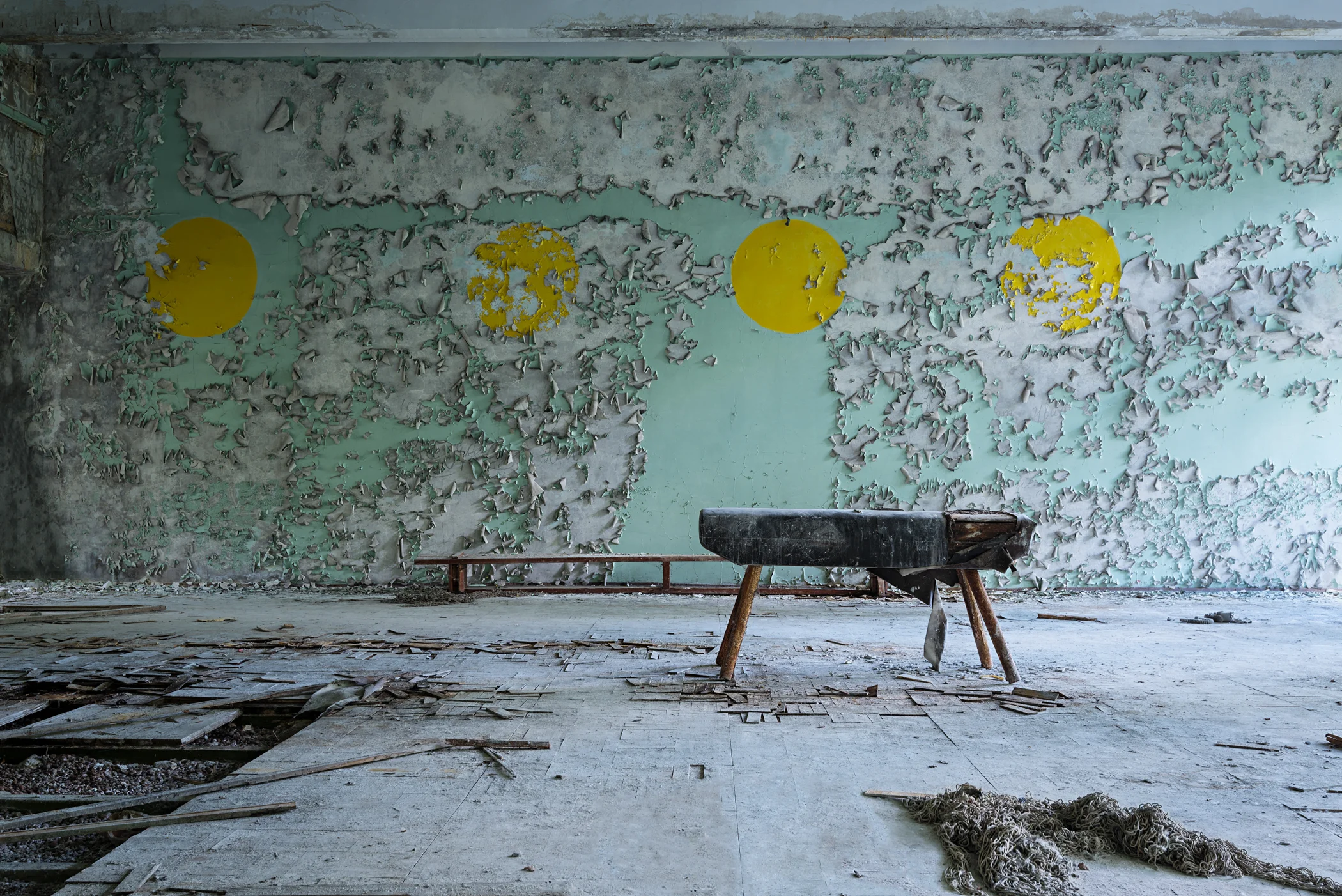
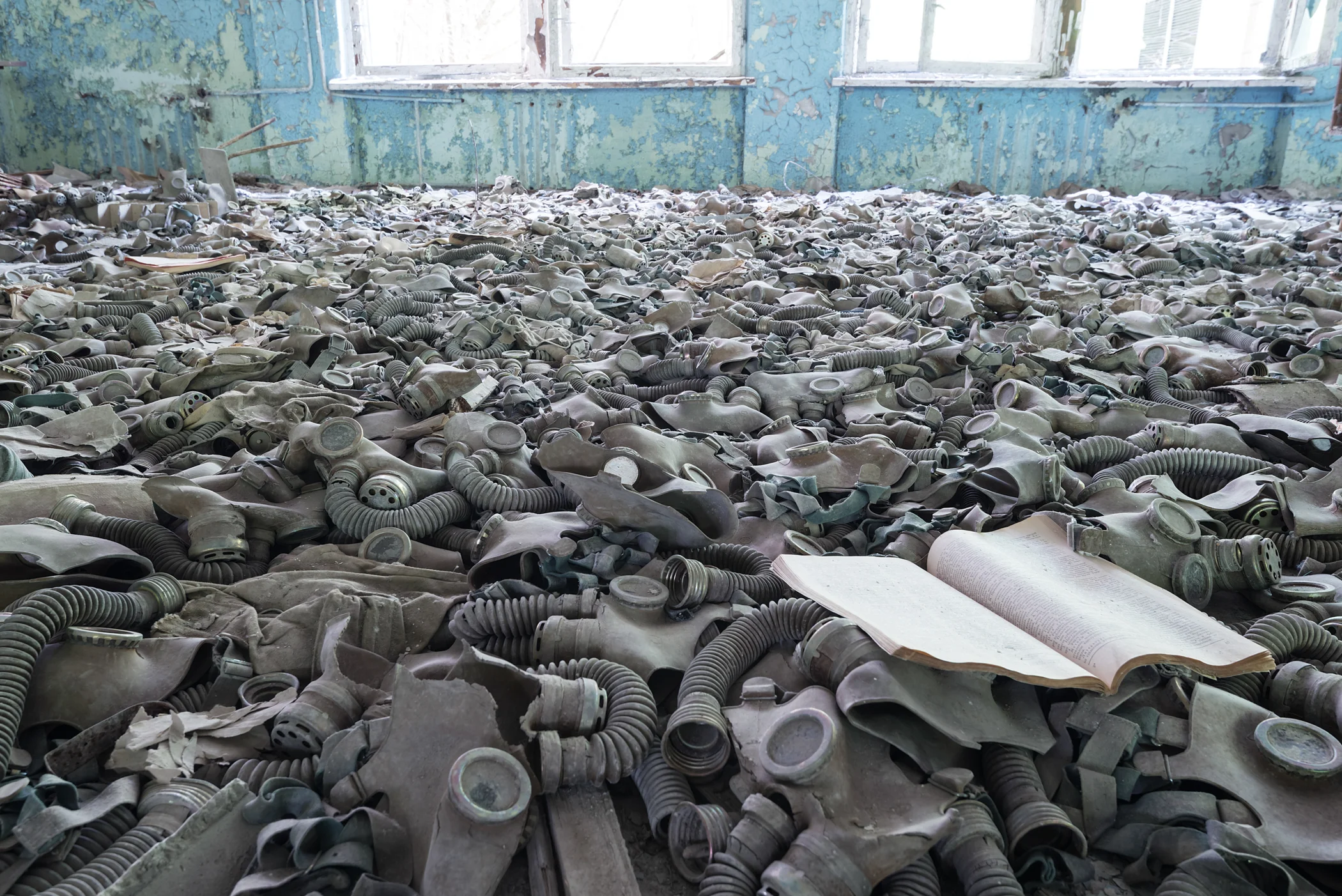
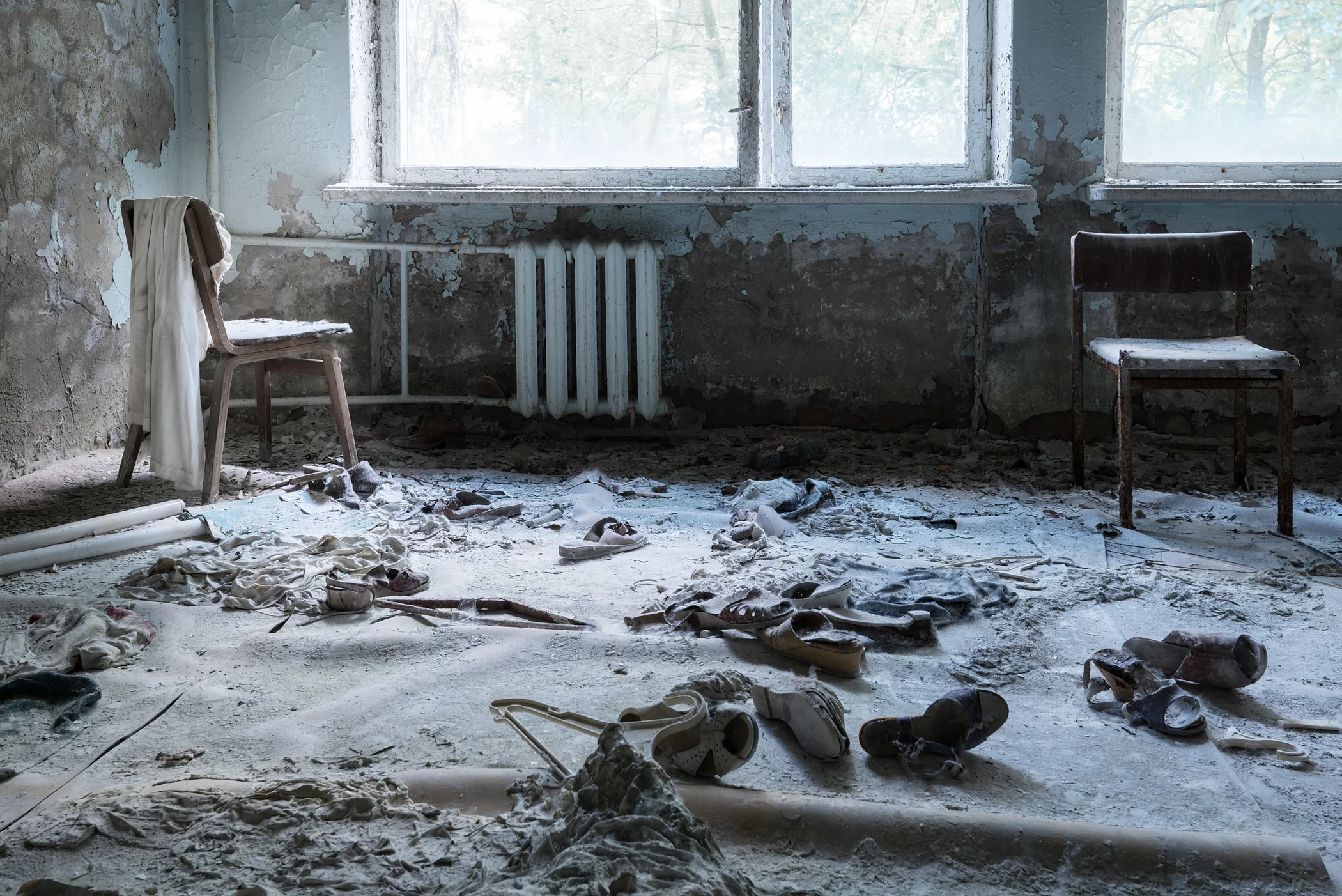
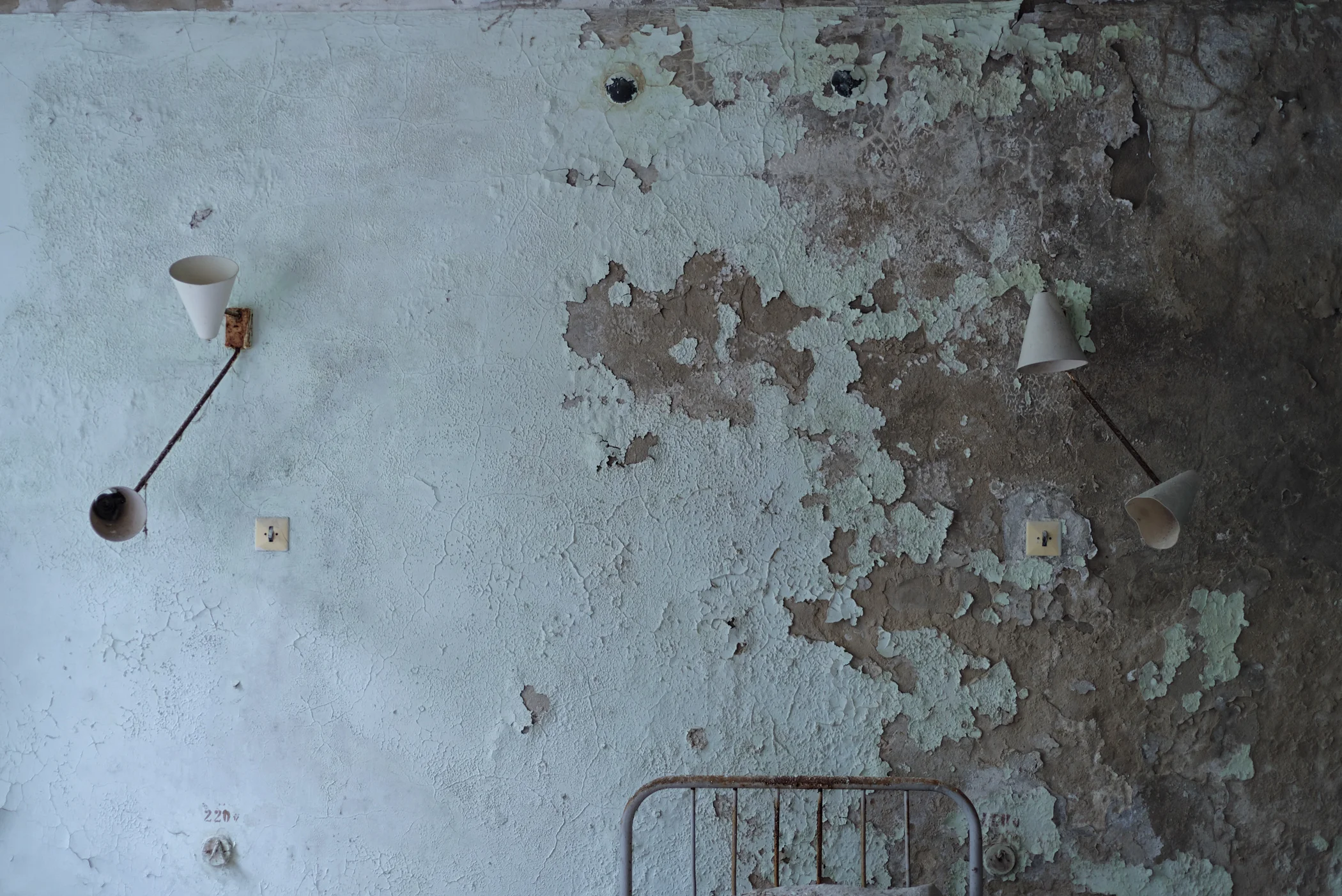
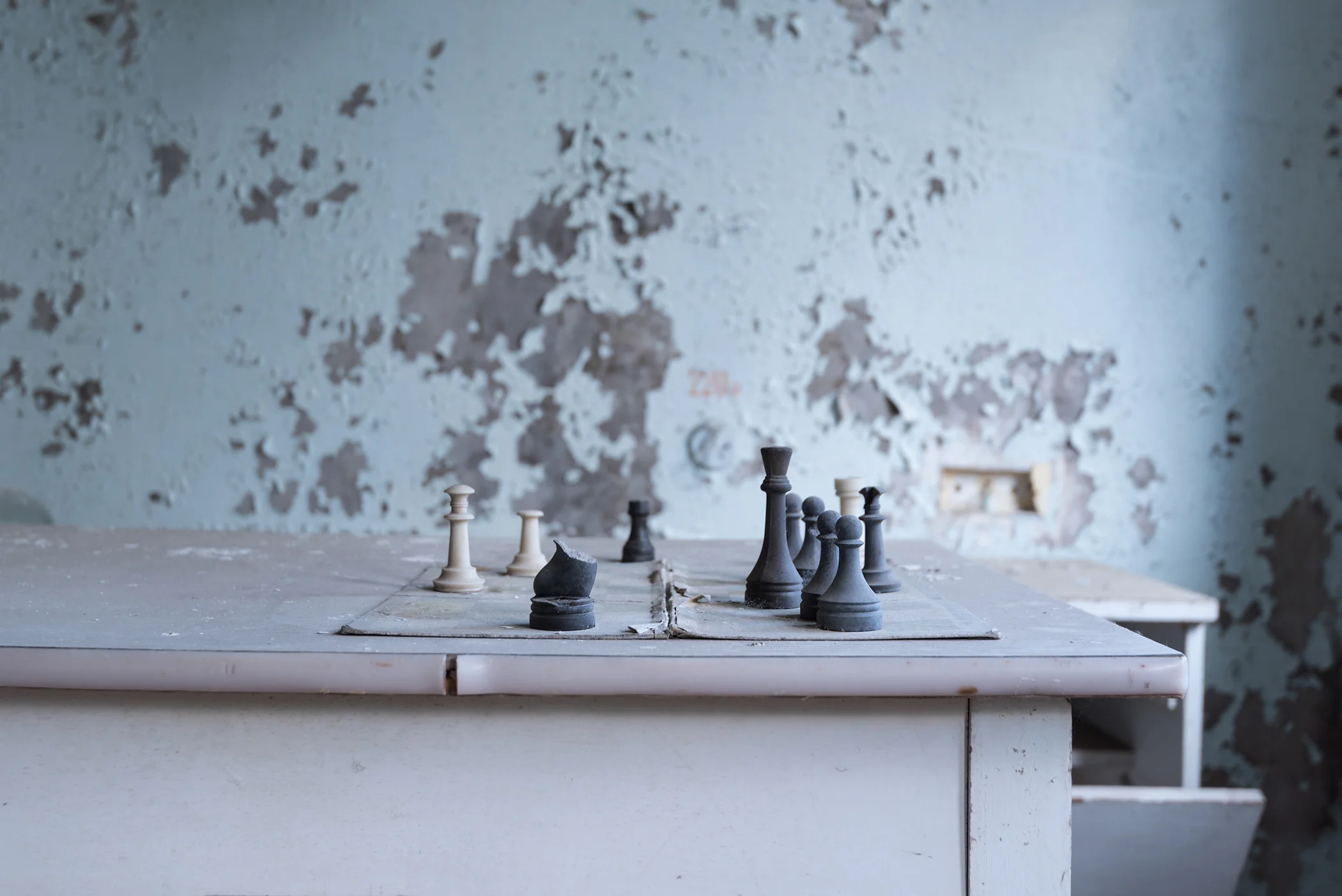
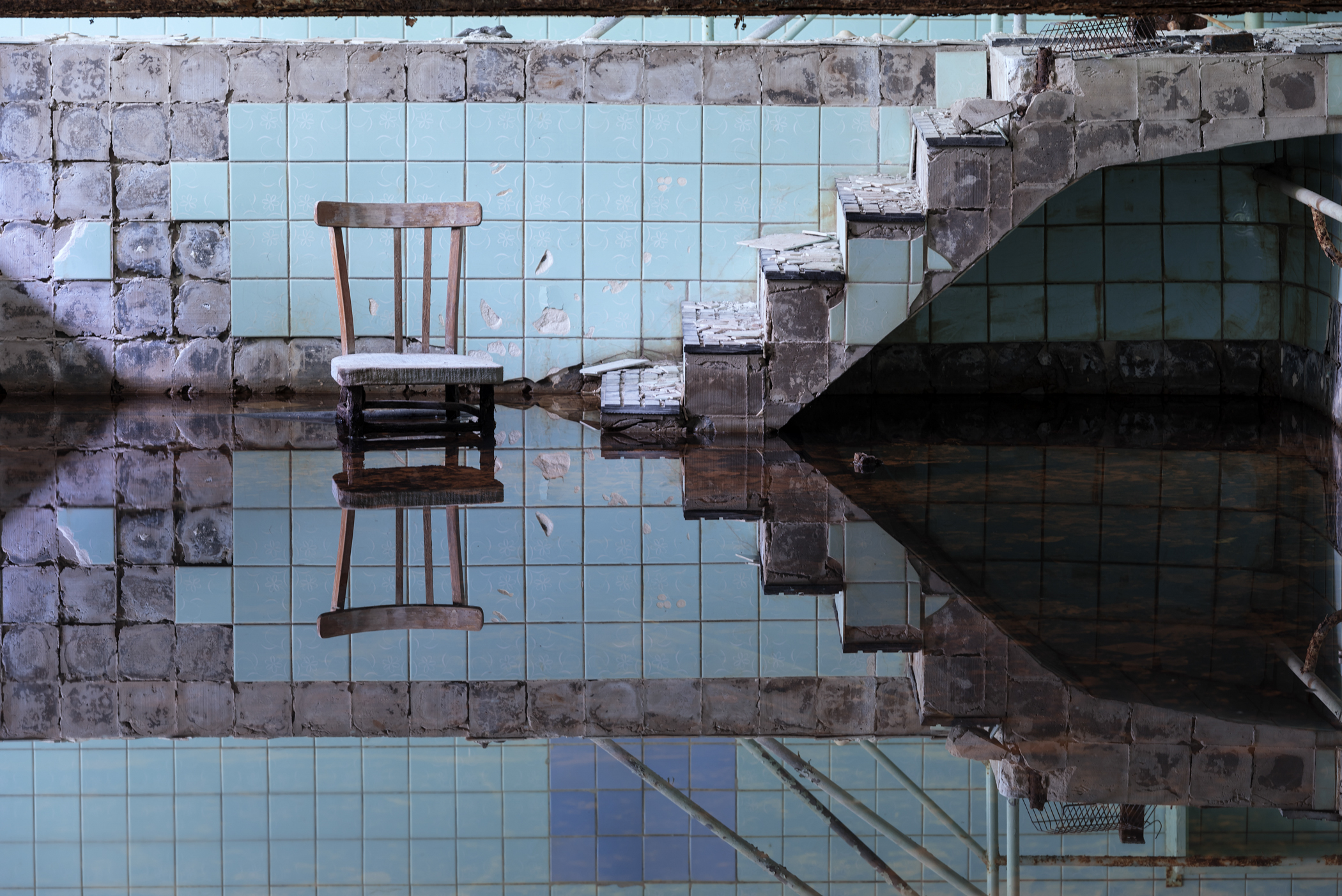
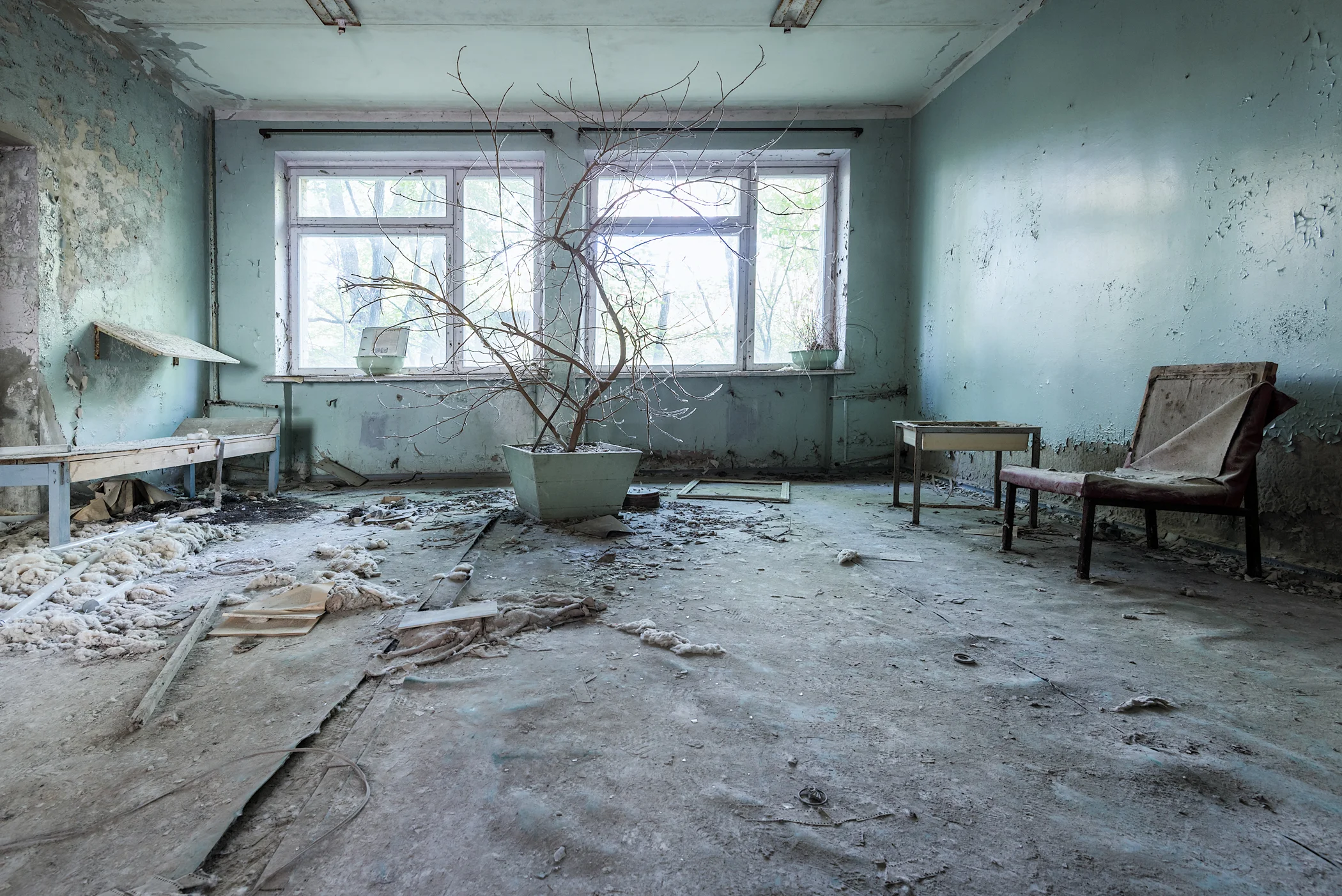
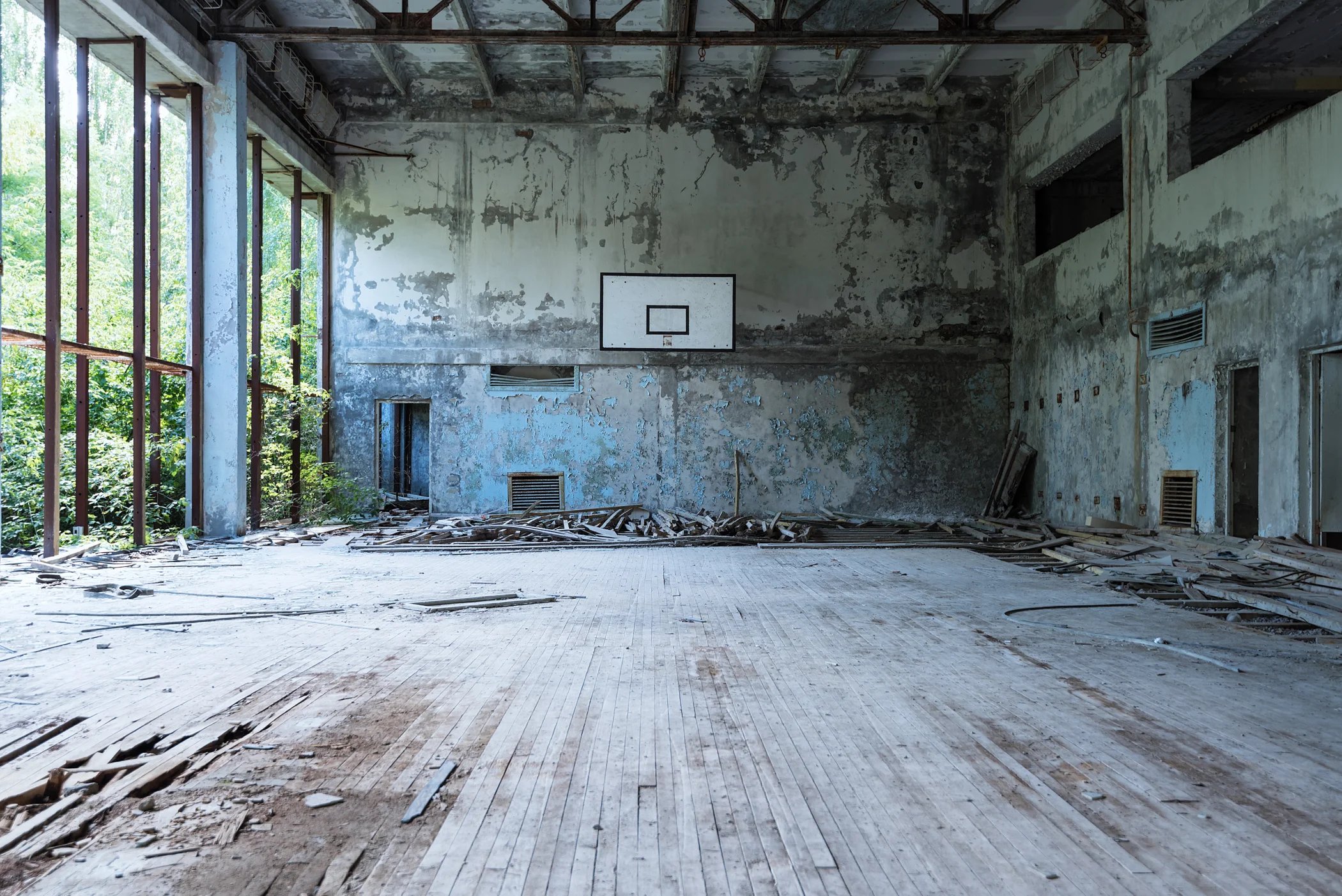
The Pripyat photographic series tells the story of a once beautiful town, founded in 1970 as the ninth nuclear city of the Soviet Union. Its 50,000 inhabitants had to be evacuated within 36 hours after the accident. Indeed, the photographs taken inside Pripyat's public buildings reflect the town's horrors; but there's also a catch – for the town has become a subject of nature's occupation, a reclamation. And so, starting from the yellow circles emerging through the peeling paint on the gym walls, getting to the tango-dancing hospital lamps, to the never-finished game of broken chess, we find ourselves seeking a decent breath of air (which we might, somehow, find while looking at the pile of gas masks with an open book lying on top). Hold on to that feeling, because you might get a clue as to what comes next when you reach the abandoned basketball court. Spoiler: nature is coming.
Coming from a Ukrainian family closely connected to medicine, I returned to Ukraine to photograph the story of the Chornobyl Disaster. The series shows a modern fairytale you won't hear in the news. Its point of view gradually narrows to a single abandoned place where – and here comes the spoiler answer, as the last photograph comes into play – trees grow through broken windows, and grass pushes up through cracks in the concrete.
Awards & exhibitions:
2017 Exhibited at Bishkek National Fine Arts Museum.
2016 Published in Aperture magazine.
2016 Published in National Geographic España.
2016 Sony World Photography Awards Exhibition at Somerset House, London, UK.
2016 Shortlisted for the ZEISS Photography Award “Seeing Beyond – Meaningful Places.”